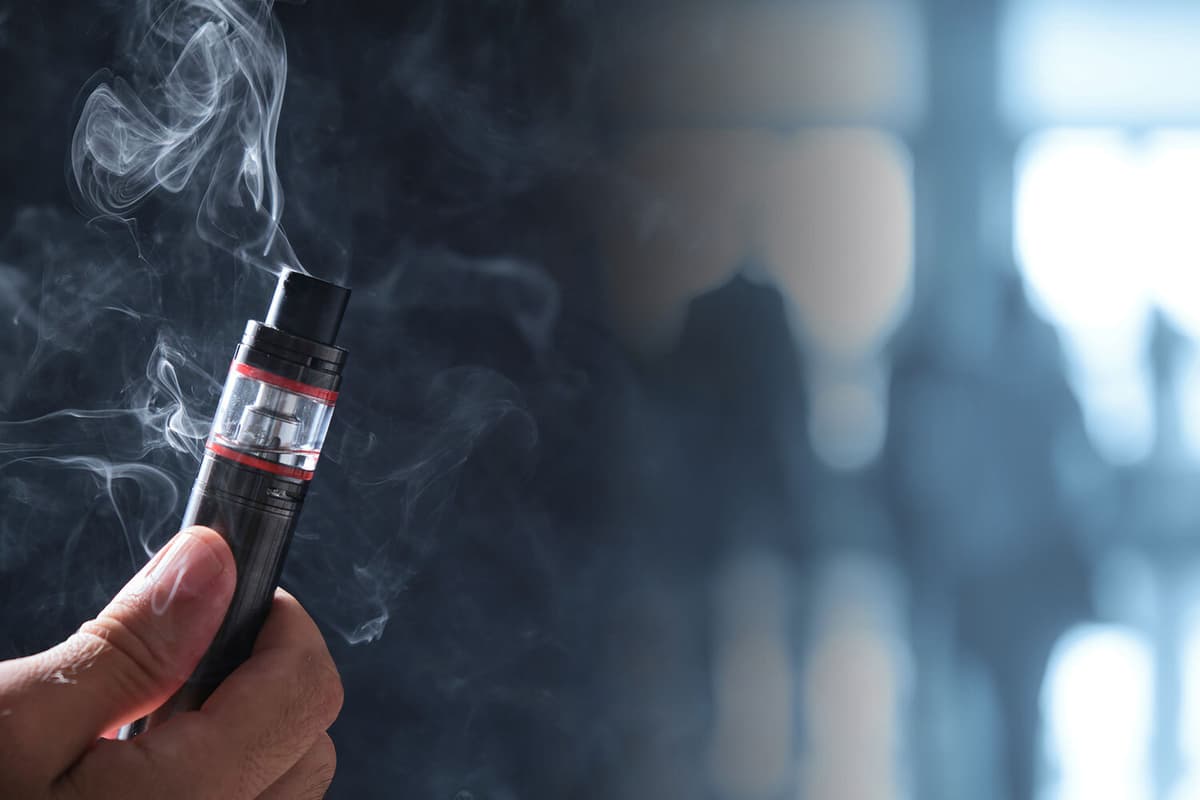
Declaring Tobacco And Vaping
Tobacco and vaping questions in health and insurance forms usually aim to estimate long-term health risk from nicotine exposure and combustible smoke history. “Tobacco use” often refers to cigarettes, cigars, pipe tobacco, chewing tobacco, and similar products, while “vaping” may be treated separately or folded into a broader nicotine category. Many questionnaires ask about use within a defined look-back window, such as the last 12 months, and they may ask for frequency like “daily,” “occasionally,” or “not at all.” If you quit, switch devices, or reduce nicotine, you may later request a re-rating, but the process depends on the insurer’s rules and the evidence you can show.
Practical example: a person who smoked cigarettes until March and then switched to nicotine vaping in April may still be rated as a smoker for part of the look-back period. Another person who vapes nicotine daily but never used cigarettes may face a different classification than a former smoker, because the underwriting model may treat combustible exposure differently from non-combustible nicotine. The wording matters, and the dates you enter matter even more.
Main Pain Points And Errors
People often misread “tobacco” as “any nicotine,” which can lead to incorrect answers. Some forms use “tobacco products” and list examples; others use “nicotine products” and include e-cigarettes. If the form separates categories, you should follow the form’s category labels rather than your own shorthand.
Another common issue is the look-back window. A form may ask about use “in the last 12 months,” but the underwriting decision may also consider when you stopped. If you stopped 13 months ago, you might qualify for a non-user category, yet you could still be asked to explain earlier use. If you stopped 11 months ago, you may still be within the window and rated as a user, even if you feel “done.”
Supporting technologies and dependencies shape how insurers verify answers. Many insurers rely on a mix of your questionnaire, medical records you authorize, and sometimes lab testing. Cotinine is a nicotine metabolite that can appear in blood, urine, or saliva after nicotine exposure; its detection window varies by test type and individual metabolism. If you used nicotine replacement therapy, a refillable vape, or disposable pods, those products can still produce cotinine, which can complicate a “no nicotine” answer. I’ve seen applicants get tripped up by “I only used it socially,” then later learn the form asked for any use, not just daily use.
Finally, re-rating later depends on policy type and insurer rules. Some policies allow changes only at renewal; others allow mid-term updates with documentation. Some require a waiting period after quitting, and some require proof like a statement from a clinician or lab results. If you assume re-rating is automatic, you may miss the window to request it.
How To Declare Correctly
Match The Form’s Definitions
Use the exact categories shown on the questionnaire. If it lists “cigarettes, cigars, pipe, chewing tobacco,” treat those as tobacco even if you also vape. If it lists “e-cigarettes or vaping,” answer that section based on your actual vaping behavior. If the form asks for “nicotine products,” include nicotine vaping, nicotine gum, patches, and nicotine pouches when the form says nicotine products, not just tobacco.
Keep a simple timeline for the dates you changed products. A note like “2024-02-10 last cigarette; 2024-03-01 started nicotine vape; 2024-06-20 reduced to 3 mg” helps you answer consistently. I once watched someone estimate dates by memory and then contradict themselves between two sections of the same application, which slowed review.
Use Accurate Timing And Frequency
Answer frequency using the form’s options, not your own interpretation. If the form offers “daily,” “occasional,” and “not at all,” decide based on your actual pattern during the look-back period. “Occasional” usually means less than daily, but the exact threshold varies by insurer. If you used a disposable vape once a week, that may still count as “occasional use,” and it may still trigger nicotine-related rating.
When you quit, record the quit date and the last nicotine exposure. If you used nicotine replacement therapy during the transition, note the start and stop dates for each product. Cotinine detection can persist after nicotine stops, so a quit date that is “how you feel” may not match a lab timeline.
Plan For Evidence When Re-Rating
Re-rating requests typically need documentation that matches the insurer’s criteria. Common evidence includes a signed statement of cessation, medical records showing tobacco cessation counseling, or lab results if the insurer requests them. If you are switching from vaping to nicotine-free products, keep receipts or product labels that show nicotine strength and whether the product contains nicotine. Some people assume “zero nicotine” means “no nicotine metabolite,” but trace nicotine can occur depending on manufacturing and testing; insurers may still treat it as nicotine exposure if it’s detected.
Ask the insurer what evidence they accept before you submit. A short email to the underwriting team can prevent a cycle of resubmissions, and it reduces the chance you provide the wrong type of documentation.
Request Changes At The Right Time
Re-rating timing depends on policy terms. Many insurers allow changes at renewal, while others allow updates after a waiting period such as 12 months of non-use. If your policy has a renewal date, mark it on your calendar and request re-rating early enough for review. If you wait until after renewal, you may have to wait for the next cycle.
Some insurers also require that the cessation be complete, not “reduced.” If the form or policy defines “non-user” as “no nicotine products,” then reducing from daily vaping to occasional vaping may not qualify. This is where people get frustrated, because the questionnaire language often uses strict thresholds.
Case Examples For Real Scenarios
Example 1: Former smoker who switched to vaping. A 38-year-old stopped cigarette smoking on 2024-01-15 and started nicotine vaping on 2024-01-20. Their application asks about tobacco use in the last 12 months and nicotine vaping in the last 12 months. They answer “tobacco: yes (until 2024-01-15)” and “vaping: yes (since 2024-01-20).” When they request re-rating, they provide a cessation statement showing they stopped vaping on 2025-02-01 and ask for re-rating at the next renewal. The insurer may still treat them as a nicotine user until the look-back window and any waiting period are satisfied.
Example 2: Long-term vaper who never smoked. A 45-year-old has used nicotine vaping daily for three years and never used cigarettes or chewing tobacco. Their application asks about tobacco products and separately asks about vaping. They answer “tobacco: no” and “vaping: yes (daily).” After six months of switching to nicotine-free vaping, they request re-rating. The insurer asks for proof of nicotine-free status and may still require a waiting period because lab verification or policy definitions may treat “nicotine-free” differently from “no nicotine exposure.” The outcome depends on the insurer’s rules and the evidence provided.
Comparison Checklist For Decisions
| Situation | What To Declare | Common Underwriting Trigger | Re-Rating Timing |
|---|---|---|---|
| Quit cigarettes, started nicotine vape | Tobacco: yes until quit date; Vaping: yes during use window | Combustible exposure history plus nicotine exposure | Often at renewal after nicotine cessation waiting period |
| Daily vaper, no tobacco | Tobacco: no; Vaping: yes (daily) | Nicotine exposure classification | After meeting “non-user” definition and any waiting period |
| Reduced vaping but still uses nicotine | Answer based on actual use frequency and nicotine presence | “Non-user” may require zero nicotine products | May not qualify until complete cessation |
| Stopped all nicotine products | Declare “no” only after the last nicotine exposure date and within form rules | Look-back window and possible lab verification | Often after window passes; request early before renewal |
Step-by-step checklist for re-rating requests:
- Write down your last tobacco use date and your last nicotine exposure date (including vaping and nicotine replacement).
- Re-read your policy or insurer letter for the definition of “non-user” and the waiting period, if stated.
- Collect evidence the insurer accepts (cessation statement, medical note, or lab results if requested).
- Submit the request before renewal so underwriting has time to review.
- Keep copies of everything you submit, including dates and product names.
Common Mistakes To Avoid
One mistake is answering “no tobacco” while still vaping nicotine, when the form asks about nicotine products separately. Another mistake is using vague dates like “around last year,” then later providing a different date in a follow-up. If you used multiple products during the transition—disposable vapes, refillable tanks, nicotine gum—each product can count depending on the form’s categories.
People also forget that “social use” still counts if the form asks for any use. A single weekend of vaping during a look-back window can change the answer from “not at all” to “occasional.” I’ve seen applicants assume that because they felt in control, the insurer would treat it as negligible, but underwriting questions usually track exposure, not intent.
Another mistake is assuming re-rating automatically corrects earlier misstatements. If you entered incorrect information, the insurer may treat it as a misrepresentation, which can affect coverage decisions. If you realize an error after submission, contact the insurer promptly and ask how to correct it.
Finally, people sometimes confuse “nicotine-free” with “no nicotine exposure.” Some products labeled zero nicotine may still contain trace nicotine, and insurers may treat any detected nicotine metabolite as exposure. If you want to pursue re-rating, ask the insurer what evidence they accept for nicotine-free status.
FAQ
Does Vaping Count As Tobacco Use?
Many questionnaires treat vaping separately from tobacco products. If the form lists “tobacco products” and “vaping” as separate items, answer each section using the form’s labels.
What Look-Back Period Do Insurers Use?
Common look-back periods include the last 12 months, but the exact window varies by insurer and product. Use the period stated in your specific application or policy documents.
How Do I Declare Nicotine Replacement Therapy?
If the form asks about nicotine products, include nicotine gum, patches, lozenges, and similar therapies. If the form asks only about tobacco, nicotine replacement may not be included unless the form says otherwise.
When Can I Request Re-Rating After Quitting?
Re-rating timing depends on the policy terms and the insurer’s definition of non-user. Many require a waiting period and may only process changes at renewal.
Will Cotinine Testing Affect My Answer?
Cotinine can be detected after nicotine exposure, and detection windows vary by test type. If you declared “no nicotine” but used nicotine products recently, lab results can conflict with your questionnaire.
Author's Insight
Health and insurance questionnaires aim to classify nicotine exposure and combustible tobacco history using consistent definitions and time windows. The practical risk for applicants comes from mismatched categories, inaccurate dates, and assumptions about what “non-user” means. Evidence-based guidance focuses on reading the form labels, tracking your last exposure dates, and requesting re-rating with documentation that matches the insurer’s criteria. If you are unsure how a specific product is categorized, asking the insurer for the definition in writing reduces guesswork. I’m not able to verify any single insurer’s rules here, so the safest approach is to follow the exact wording in your application and policy documents.
Key Takeaways
- Answer each section using the form’s definitions for tobacco products, vaping, and nicotine products.
- Use exact dates for your last tobacco use and last nicotine exposure, since look-back windows drive classification.
- Re-rating depends on policy terms, waiting periods, and accepted evidence; plan around renewal dates.
- Correct mistakes quickly if you notice them after submission, and keep copies of what you submit.