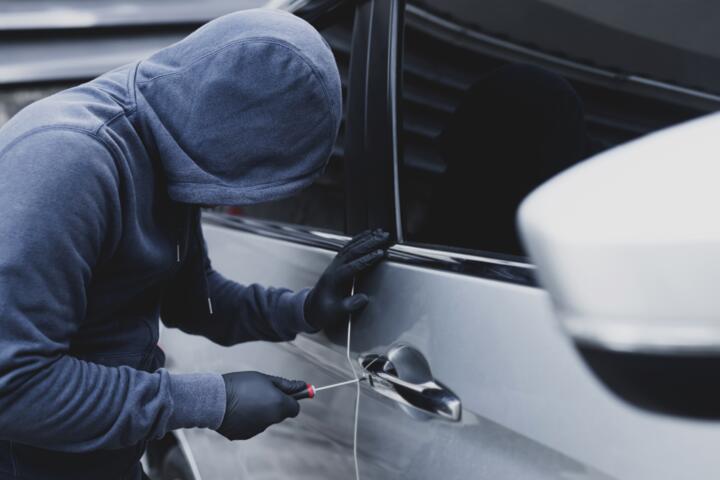
A Theft Claim Is Not an Accident Claim
The mechanics differ from every other auto claim in three ways, and each of them surprises people.
There is a waiting period before the insurer settles, because the vehicle may be recovered. There is a formal investigation element that goes further than a routine damage claim, because theft is the loss type most exposed to fraud. And what was inside the car is not covered by the auto policy at all.
None of this means you are suspected of anything. It means the process is structured differently, and knowing the structure keeps you from misreading normal steps as hostility.
The First Hour
- Confirm it was not towed or moved. Check for signage, call the local impound line and the property manager if it was in a private lot. A theft report on a towed vehicle is an awkward thing to unwind.
- Call the police. Do not spend an hour driving the neighborhood first. Delay creates a gap in the timeline, and every claim file records when the report was made. Have the plate, the vehicle identification number, the color and any tracking service ready.
- Get the case number and the officer's name. Your insurer will ask for both.
- Mention any tracking. Factory telematics or an aftermarket tracker can be actioned immediately, and recovery in the first day is far more likely to produce an intact car.
- Notify your insurer the same day. Comprehensive coverage handles theft, not collision — see how the two differ. If you carry liability only, there is no theft coverage.
- Tell the lender or lessor. They hold the title interest and any settlement runs through them.
- Wipe your data. Modern infotainment systems hold your home address, contacts, garage door pairing and paired phone data. Most manufacturers allow a remote profile wipe through their app. Do it before you think about anything else administrative, and remove the vehicle from the account.
The Waiting Period
Insurers do not pay a theft claim immediately. A holding period runs first — commonly around thirty days, though it varies by policy and state — to allow for recovery. Around half of stolen vehicles are recovered, so this is not a formality.
If the car reappears during that window, the claim becomes a damage claim: repairs to whatever was done to it, plus any missing parts, subject to your comprehensive deductible. If it does not, the claim settles as a total loss.
Use the time rather than waiting through it. Assemble maintenance records, receipts for recent tires or major work, photographs of the interior and exterior, the odometer reading, and documentation of factory options and trim. All of it feeds the valuation, and the valuation is built the same way as any other total loss — the line-by-line detail is in what happens when a car is totaled.
Ask early about rental reimbursement. It is an optional coverage with a daily cap and a total limit, and it typically ends shortly after the settlement offer rather than when you actually buy a replacement.
The Keys Question, and Why It Is Asked
You will be asked how many keys were issued with the vehicle and where each one is now. This is standard, and it is asked because relay attacks against keyless systems leave no forced entry, which makes the physical evidence ambiguous.
Answer accurately, including if a key is missing or if one was left with a valet, a mechanic or a family member. An inaccurate answer discovered later is far more damaging than an inconvenient truthful one.
Related, and worth knowing: leaving keys in the vehicle is generally still covered under comprehensive, though the claim will be examined more closely. What can fall outside coverage in some policies is voluntary parting — handing the vehicle to someone under false pretenses, such as a fraudulent buyer during a test drive or a fake valet. That is characterized as fraud or conversion rather than theft in some wordings, and the distinction is worth checking if it applies to you.
Recorded Statements and Examinations Under Oath
These get conflated and they are different things.
A recorded statement is a routine interview. Prepare for it: review your own records first, and answer what you know rather than estimating. Saying you are not certain is a legitimate answer. A guessed detail that later proves wrong looks like inconsistency.
An examination under oath is a policy condition, not an accusation. It is a formal sworn interview, often with a court reporter present, and it is used on higher-value or unusual theft claims. Refusing to attend, or refusing to produce documents requested with it, is generally a breach of the policy conditions and can defeat an otherwise valid claim. You may bring an attorney.
Insurers may also request financial records where a claim is being examined closely. That is uncomfortable and often within their rights under the cooperation clause. If it feels disproportionate, the escalation route is your state regulator rather than a refusal — see your rights during an insurance emergency.
What Was in the Car
This is the gap almost nobody knows about until it applies to them.
Auto insurance covers the vehicle and its permanently installed equipment. Personal belongings taken with it — a laptop, tools, a pushchair, luggage, a musical instrument — fall under homeowners or renters insurance, not the auto policy.
Three consequences follow. The claim goes to a different insurer, with a different deductible, which on a modest loss may exceed the value of what was taken. Categories such as business property, cash and jewelry carry hard sublimits wherever they were kept — see what your policy might not cover. And aftermarket equipment that was installed rather than carried, such as a sound system or roof rack, may need to have been declared on the auto policy to be covered at all.
Make the list now, while you remember. Reconstructing what was in a car two weeks later produces an inventory you cannot support, and support is what determines the payment — the approach is in proving value on a claim.
If It Turns Up After You Are Paid
Once you accept the settlement and sign the title over, the vehicle belongs to the insurer. If it is recovered afterwards, the insurer takes it and usually disposes of it at auction.
Two things worth asking. Some insurers will let you buy it back, which occasionally makes sense for a car in good condition with sentimental or practical value, though the title may be branded depending on the state and the damage. And if personal property is recovered with it, that is yours regardless of what happened to the vehicle.
The Rate Question
A theft claim is a comprehensive claim, and comprehensive claims generally affect pricing less than at-fault collision claims. ""Less"" is not ""not at all"": claim frequency is a rating input in most states, and the theft rate in your area affects your base rate whether or not you personally claimed. The mechanics are in how rates are set and why premiums rise after a claim.
Do not cancel the policy before the claim closes and the title has transferred. And if you replace the vehicle with a newer one financed at a high loan-to-value, check whether gap coverage carries over or needs rewriting — see how gap insurance works.
Before It Happens
Two decisions made in advance change the outcome more than anything you can do on the day.
Check you actually have comprehensive coverage, and know its deductible in dollars. Owners of older vehicles frequently drop it to save premium and then discover the car was worth more to them than to the rating model. The trade-off is set out in what a deductible means on auto insurance.
Keep a valuation file. Photographs of the interior and exterior twice a year, the odometer, the window sticker or build sheet, and receipts for tires and major work. It takes minutes and it is the difference between arguing about trim level from memory and sending a document. Storing it somewhere other than the car is the point.
If you are changing insurers, do not let comprehensive lapse in the gap between policies — see switching without losing coverage.
Common Questions
How long does the whole process take?
Plan for the waiting period plus valuation and title work. States set prompt-payment standards for the settlement stage, but the recovery window comes first and is not shortened by pressure.
My car had a tracker and police found it stripped. What now?
It becomes a damage claim rather than a theft settlement, and if the repair cost crosses your state's total loss threshold it is written off. Either way your comprehensive deductible applies once.
I only have liability coverage. Is anything payable?
Not for the vehicle. Personal property taken from it may still be claimable under a home or renters policy, and if you were still paying a loan, gap coverage does not help either, since it only bridges a settlement that does not exist.
Should I keep paying the loan?
Yes, until the claim settles. Missed payments during the waiting period damage your credit and complicate the payoff, and the settlement goes to the lender first in any case.
Do I need a police report if the car is recovered quickly?
Yes. The report is a condition of the claim, and recovery does not remove the theft.
The Short Version
Report to the police before searching the neighborhood, tell your insurer and your lender the same day, and wipe your data from the vehicle's systems immediately.
Expect a waiting period of roughly a month before settlement, because a substantial share of stolen vehicles are recovered. Use it to assemble the valuation evidence rather than to wait.
Answer the keys question precisely, and treat an examination under oath as a policy condition rather than an accusation — refusing one can end the claim.
And make a list today of what was inside the car. That loss belongs to your home or renters policy with its own deductible and its own sublimits, and it is the part people forget to claim.
Sources and Editorial Note
Vehicle theft volumes, recovery rates and trends including relay attacks on keyless entry systems are reported by the National Insurance Crime Bureau, which revises its figures annually; theft and crash data are also published by the National Highway Traffic Safety Administration. Specific counts circulating online are frequently several years old and are not reproduced here without their date.
Claims that recovery probability falls by a fixed percentage after a set number of hours appear widely without attribution and have been omitted.
Theft waiting periods, examination under oath provisions, voluntary parting exclusions, owner buy-back rights on recovered vehicles, prompt-payment standards and rating treatment of comprehensive claims vary by policy and by state. This article is general information about insurance, not legal advice — confirm the terms against your declarations page, and contact your state insurance department with questions or complaints about a claim.