Pet Surgery Coverage 2026
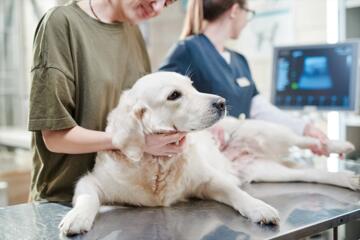
Emergency surgery coverage generally refers to insurance plans that pay for unexpected surgical procedures required due to accidents or serious health conditions in pets. Unlike routine care plans, emergency coverage focuses on urgent, often life-saving surgeries such as trauma repair, tumor removals, or emergency cesarean sections.
In 2026, nearly 73% of pet insurance policies include some form of emergency surgery coverage, reflecting increased demand from pet parents for comprehensive protection. For example, nationwide provider Healthy Paws Insurance consistently covers emergency surgeries with up to 90% reimbursement after deductibles, helping offset costs that can exceed $5,000 in some cases.
Problems & Pain Points
Lack of Transparency in Coverage
Many pet owners purchase insurance without fully understanding whether emergency surgeries are covered or excluded. Policies sometimes exclude pre-existing conditions or have limits on certain procedures, leading to unexpected out-of-pocket expenses.
Underestimating Cost Impact
Emergency surgeries can cost from $1,200 for minor fracture repairs to over $10,000 for complex procedures like spinal surgery. Without proper coverage, owners often face financial stress or difficult decisions about pet care.
Delays in Emergency Care
Without emergency coverage, some owners delay critical surgery waiting for financial arrangements, which can worsen outcomes. According to the American Veterinary Medical Association (AVMA), delayed surgeries reduce survival rates by up to 30% in traumatic cases.
Solutions & Advice
Choose Comprehensive Plans with Explicit Surgery Coverage
Select providers like Petplan, Trupanion, or Embrace, which offer clear, itemized emergency surgery benefits. Trupanion’s no payout limits and direct vet payment system reduces financial burden and hassle.
Use Waiting Periods Strategically
Since emergency surgery is often excluded if related to pre-existing conditions, enroll pets early—ideally before one year of age—to avoid waiting periods. Embrace’s radiographic and surgical coverage starts after a 15-day waiting period, enabling faster protection.
Opt for High Reimbursement Percentages
Policies with 80-90% reimbursement after deductibles provide significant financial relief. Healthy Paws offers a $100 deductible with 90% coverage, which often results in lower total owner expenses compared to cheaper plans with lower reimburses.
Maintain Current Medical Records
Keeping updated veterinary records can expedite claims approval for emergency surgeries, avoiding disputes over pre-existing concerns.
Consider Add-ons and Riders
Some insurers allow purchasing riders that enhance coverage for specific surgeries or extend limits. For instance, Nationwide offers surgical coverage add-ons with higher maximum benefits for specialized treatments.
Case Studies
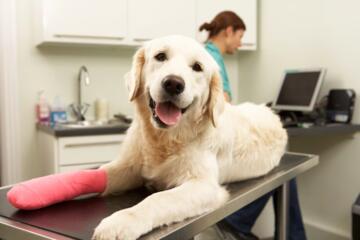
Case Study 1: Healthy Paws and Broken Leg Surgery
Company: Healthy Paws
Problem: A 3-year-old Labrador experienced a fractured femur requiring surgery costing $6,800.
Action: The pet owner filed an emergency surgery claim. After a $100 deductible, Healthy Paws covered 90% of the bill.
Result: Owner paid approximately $780 out-of-pocket, a 10x reduction compared to full cost.
Case Study 2: Embrace and Emergency Gastrointestinal Surgery
Company: Embrace Pet Insurance
Problem: A Boxer had a twisted stomach (GDV), requiring an emergency gastrectomy costing $9,000.
Action: Embrace reimbursed 80% of costs after the deductible.
Result: Owner saved $7,200, enabling timely treatment without financial delay risk.
Comparison Table
| Provider | Terms (Reimb./Ded.) | Limits & Wait | Direct Pay |
|---|---|---|---|
| Healthy Paws | 90% / $100 | No Limit / 15 days | No |
| Trupanion | 90% / Variable | No Limit / 30 days | Yes |
| Embrace | 80% / $200 | $25k yr / 15 days | No |
| Nationwide | 70-90% / $100 | $1M life / 14 days | No |
Common Pitfalls
Ignoring Policy Fine Print
Always read the emergency surgery exclusions and limits. Avoid surprises by clarifying coverage scope upfront.
Waiting Too Long to Purchase Insurance
Enroll pets early to avoid pre-existing condition exclusions on surgeries.
Choosing Low Reimbursement Plans
Lower reimbursement can mean higher out-of-pocket expenses in emergencies, negating upfront savings.
Not Keeping Medical Documentation
Maintain comprehensive vet records to support claims and prevent denial.
Assuming All Surgeries Are Covered
Some plans exclude specific high-cost procedures or elective surgeries; confirm details.
FAQ
What qualifies as an emergency surgery in pet insurance?
Emergency surgery typically refers to urgent operations needed due to accidents or critical illnesses requiring immediate intervention, such as fracture repairs or internal trauma surgeries.
Are pre-existing conditions covered for emergency surgeries?
Most insurers exclude pre-existing conditions from emergency surgery coverage. Enrolling pets early can ensure coverage for potential future emergencies.
How quickly can I file a claim for emergency surgery?
Claims should be submitted as soon as possible after the surgery, usually within 30-90 days. Some providers, like Trupanion, offer direct vet pay to reduce owner upfront costs.
Can I use my insurance at any veterinary hospital?
Yes, most pet insurance plans allow you to visit any licensed vet, including emergency specialty hospitals, though reimbursement varies by policy.
Do all pet insurance plans cover emergency surgeries equally?
No, coverage varies widely. Examine reimbursement rates, limits, deductibles, and exclusions carefully before choosing a plan.
Author's Insight
From my experience as a veterinary consultant, emergency surgery coverage has evolved significantly by 2026, providing pet owners better financial security. I've witnessed families avoid devastating debt thanks to comprehensive policies like those from Healthy Paws and Trupanion. My advice is to prioritize early enrollment and opt for plans that clearly cover emergency surgical treatments without confusing fine print. Staying informed and proactive is the best strategy to safeguard both your pet's health and your finances.
Summary
Emergency surgery coverage is a vital component of modern pet insurance, protecting owners from costly unexpected veterinary procedures. In 2026, selecting plans with high reimbursement rates, minimal deductible, and transparent policies ensures timely surgical care without financial hardship. By enrolling early, reviewing terms critically, and maintaining vet records, pet owners can optimize their coverage and peace of mind. Act now to secure your pet’s surgical safety net.