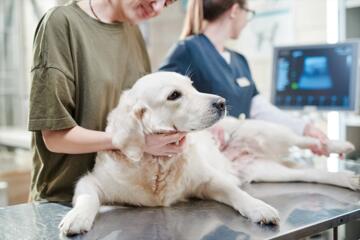
Pet Claim Reimbursement
Pet insurance claim reimbursement begins once you pay for your pet’s veterinary treatment out-of-pocket and submit a claim to your insurer. Companies like Nationwide and Healthy Paws usually process these claims within 10 to 15 business days, but delays happen. For example, if you pay a $500 bill for surgery, you’ll submit that receipt plus a completed claim form, which triggers your insurer to review coverage and calculate how much they pay back.
Your policy’s deductible, coinsurance percentage, and annual limit all influence the payout. Some policies reimburse up to 90% after deductible, while others cap annual payouts. Claims may cover diagnostics, medication, surgeries, and sometimes wellness visits, depending on your plan terms.
Common Claim Problems
Many pet owners assume insurances pay vets directly—almost never the case. They expect instant refunds without reading policies. Some miss deadlines; insurers require claims submitted within 60 to 90 days of treatment. Submitting incomplete forms or unclear receipts wastes days. For instance, a scanned receipt missing the vet's contact details forces insurers to request proof, stalling reimbursement.
A failed or delayed claim can leave owners scrambling to pay vet bills, compounding financial stress. Besides paperwork, confusing policy exclusions trap people. Surgery for a herniated disc? Often excluded under orthopedic limits. Without reading exclusions, you might think treatment covered—then get denied.
Steps to Smooth Claims
Save All Detailed Invoices
Invoice clarity matters. Include vet letterhead, itemized charges, dates, and treatments. Electronic vet records exported via platforms like Vetspire reduce errors and speed submissions. Missing details cause back-and-forth with insurers, delaying payout by weeks.
File Claims Promptly
Submit within 30 days, to avoid rushed rejections. Use insurer apps or portals when available, like Trupanion’s SnapClaim tool, which speeds upload and tracking. Faster submissions yield faster processing. Those who file within a week often see quicker approval.
Understand Deductibles and Coinsurance
Know your annual deductible—typically $250 to $500—and coinsurance, often 10% to 30%. Claims below deductible yield no reimbursement. Larger claims reduce out-of-pocket cost after you exceed deductible, paid as percentage. Misunderstanding these leads to surprise low payouts.
Check Coverage Limits
Annual and per-condition limits cap total reimbursements. For example, some plans have $15,000 per year but only $2,000 per injury. Request full policy documents and highlight these figures early. Overstepping limits means out-of-pocket expenditures.
Use Direct Deposit
Link your bank account for payments rather than waiting for checks. It trims days off waiting times. Some companies, like Petplan, reimburse within 24 hours post-approval when direct deposit’s active—an advantage many ignore.
Keep Record Copies
Hold backups of all submissions, digital and physical. Apps sometimes crash or emails get lost, which, frankly, most people skip. Duplicates ease disputes and re-submissions if insurers misplace files.
Appeal Denials With Evidence
Denied claims aren’t final. Provide additional vet notes, expert opinions, or proof of payment to contest. Some insurers reverse decisions within 30 days after thorough appeal letters.
Automate Recurring Claims
For chronic conditions needing frequent claims, enroll in auto-submission programs where vets send bills directly. This removes manual effort and speeds reimbursements every month.
Know Your Insurer’s Timeline
Different companies operate on varying schedules. Healthy Paws averages 5 days; Embrace can take 10 to 14. Set personal reminders to follow up if no cash arrives after expected date. Proactivity pays off.
Pet Claim Stories
Case 1: A pet owner faced a $3,000 emergency surgery bill. The insurer’s app allowed quick photo upload of receipts on day of payment. Reimbursement came in 7 days, minus a $500 deductible and 20% coinsurance, leaving $1,600 refunded. This speed eased owner's cash flow.
Case 2: Another dog’s allergic reaction led to $600 meds bill. The owner delayed submitting the claim beyond 90 days because of confusion over forms. The insurer rejected it, forcing full out-of-pocket expenditure. They learned to read deadlines carefully for a smoother future process.
Checklist to File Claims
| Step | Details | When | Tools |
|---|---|---|---|
| Collect Invoice | Itemized & signed by vet | At visit end | Vet app/Email |
| Submit Claim | Fill form accurately | Within 30 days | Insurer website/app |
| Confirm Receipt | Track status | 1 week post submit | Email/Portal |
| Follow Up | Call if delayed | 2 weeks | Customer service |
| Keep Docs | Make digital copies | Ongoing | Scanner/App |
Mistakes and Fixes
Submitting claims after deadlines wastes time: start early. Missing itemized bills? Ask vets for detailed receipts every time. Failing to understand deductible means expecting more than paid. Many don’t track claim status online, losing weeks while awaiting invisible delays. Keeping all communication, including email chats, helps if disputes arise. Lastly, don’t ignore small print exclusions. They affect claims more than advertised.
FAQ
How long does reimbursement take?
Typically 10–15 days after claim approval, but quick submissions and direct deposit can cut it to under a week.
Do vets get paid directly?
Usually no. You pay the vet upfront, then insurer reimburses you after claim approval.
What affects reimbursement amount?
Deductibles, coinsurance, coverage limits, and policy exclusions influence final payout.
Can denied claims be appealed?
Yes. Providing additional documentation often reverses denials within 30 days.
Are wellness visits reimbursed?
Rarely covered under standard policies; some add-on plans do offer wellness benefits.
Author's Insight
From handling hundreds of pet insurance claims, I learned that detailed invoices and rapid filing make biggest differences. Pet owners underestimate how much a missing element stalls payments. Using insurer apps in 2023 sped up many claims dramatically, but paper-based submissions still lag. Tracking status weekly saves headaches. Lastly, patience is key; reimbursement is a process, not instant.
Key Takeaways
Reimbursement on pet claims depends entirely on paperwork completeness, timing, and understanding your coverage. Save detailed bills, submit claims promptly, track progress, and appeal denials. A few small habits trim weeks off payouts and reduce out-of-pocket shocks. Your next pet surgery bill will feel less overwhelming if you follow these proven steps.