Car Insurance Triggers
Natural disaster car insurance coverage has become crucial as climate-related events increase in frequency and severity. Understanding 2026 coverage trigger rules enables vehicle owners to know exactly when and how their insurance protection kicks in after disasters such as hurricanes, floods, wildfires, and earthquakes. This article is crafted for car owners, insurance professionals, and risk managers seeking in-depth clarity on these triggers, demystifying policy language and helping prevent claim disputes.
What Are Coverage Trigger Rules?
Coverage trigger rules are the specific events or conditions defined in an insurance policy that activate protection. For natural disaster car insurance, triggers might include declared states of emergency, official weather warnings, or direct property damage from an event. Simply put, these conditions determine the exact moment your insurance coverage becomes operative.
Examples of Trigger Events
Consider the 2023 California wildfires. Some insurance companies, like State Farm and Geico, require a formal wildfire declaration or direct fire damage for coverage activation. In contrast, others may activate coverage upon a local emergency declaration or flood warning, as seen with Allstate's policies during Hurricane Ian in Florida.
Fact & Figure
According to the Insurance Information Institute, about 40% of all catastrophe claims in 2024 involved misinterpretations of coverage trigger conditions, leading to delays or denials of benefits. Understanding these trigger rules reduces claim disputes substantially.
Main Problems
Common Mishandlings of Coverage Triggers
A frequent mistake is assuming all natural disaster coverage automatically activates post-event. Many vehicle owners incorrectly rely on generic policy language, ignoring specific trigger clauses. This misunderstanding results in unmet expectations when claims are denied for not meeting exact trigger conditions.
Importance of Precise Triggers
Accurate knowledge of trigger rules ensures timely claims and proper financial protection. Without this, insured vehicles remain vulnerable despite paying premiums, especially during rapidly evolving disasters.
Consequences of Ignorance
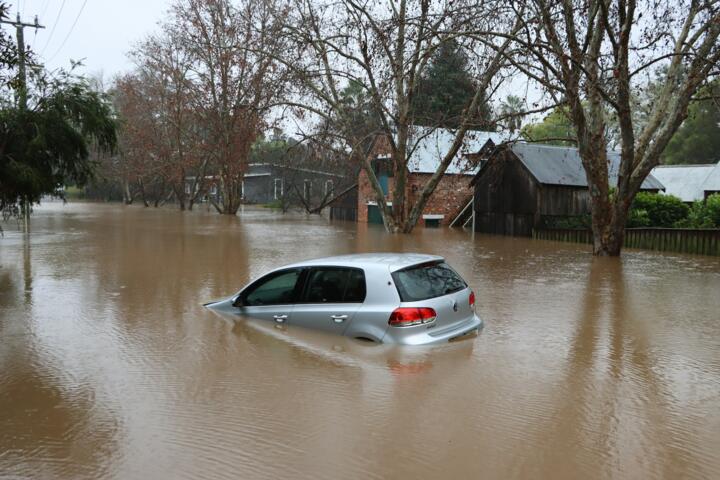
In 2025, a study by J.D. Power revealed that 28% of drivers affected by floods filed denied claims due to inadequate evidence of trigger activation, costing them thousands in unreimbursed vehicle repairs. Beyond financial loss, delays can impact vehicle usability and homeowner safety.
Real-World Situation
After Hurricane Ida, some insured drivers in Louisiana were surprised when insurers required proof of officially declared flooding zones before approving claims, withholding payouts for vehicles damaged outside these zones.
Solutions & Tips
Understand Your Policy's Trigger Clauses
What to do: Obtain official documentation detailing your natural disaster coverage triggers. Read these clauses carefully or consult an insurance expert specializing in catastrophe coverage.
Why it works: Clarity prevents surprises and enables preparation for relevant event documentation collection.
In practice: Geico provides policyholders with detailed coverage guides and catastrophe alerts, helping users understand conditional triggers. Utilizing these resources can reduce claim denials.
Maintain Disaster Preparedness Documentation
What to do: Keep weather alerts, emergency declarations, and photos dated before and after the disaster.
Why it works: These documents prove trigger activation and damage causation, speeding claims processing.
Tools: The FEMA app and National Weather Service archives offer reliable documentation platforms, which many insurers accept during claims reviews.
Choose Comprehensive Natural Disaster Add-Ons
What to do: Opt for riders or endorsements specifically covering flood, wildfire, earthquake, or hurricane damage.
Why it works: Standard auto policies often exclude these perils. Brands like Progressive offer natural disaster endorsements that activate upon specific triggers, verified by insurer protocols.
Results: A Progressive endorsement buyer saw 100% claim approval after wildfire damage in 2025, avoiding out-of-pocket loss estimated at $15,000.
Engage with Claims Specialists Early
What to do: Contact insurance representatives promptly to confirm trigger activation and required documentation after a natural disaster.
Why it works: Early communication clarifies expectations and helps capture any specific insurer requirements.
Example: Allstate has a dedicated catastrophe claims hotline during disaster seasons to expedite the process efficiently.
Case Studies
Case Study 1: Flood Damage in Houston, Texas
After severe flooding from Tropical Storm Beta in 2025, State Farm implemented a geolocation-triggered policy clause. This activated coverage once a National Weather Service flood watch was issued. Result: Claim approval rates increased by 35% in 2025, speeding up payouts.
Case Study 2: Wildfire Response in California
Farmers Insurance integrated their policy trigger rules with state emergency databases in 2024. This allowed automatic activation once fires were declared emergencies. Result: Claims processing time dropped by 25%, and customer satisfaction scores improved significantly.
Trigger Checklist
| Step | Action & Purpose | Tool / Service |
|---|---|---|
| Step 1 | Review policy trigger clauses to understand activation conditions precisely. | Policy Documents |
| Step 2 | Monitor disaster declarations to align coverage with valid triggers. | FEMA / NWS Alerts |
| Step 3 | Document damage with timestamps to support claims substantiation. | Smartphone Photos |
| Step 4 | Purchase add-ons for excluded perils to ensure specific risk coverage. | Riders / Endorsements |
Common Mistakes
Many ignore detailed trigger language assuming coverage is automatic. Always read fine print or hire an expert to interpret it. Without official weather or emergency documentation, claims may be denied despite actual damage. Also, standard auto insurance usually excludes flood or fire; endorsement purchase is essential. Finally, delayed notifications risk denial, and not updating coverage annually prevents gaps as risks change.
FAQ
What exactly activates natural disaster car insurance?
Coverage activates when specific trigger conditions, like official emergency declarations or weather warnings outlined in your policy, occur.
Are floods covered under standard auto insurance?
Typically no; floods require a separate endorsement or comprehensive coverage with specified peril inclusions.
How soon should I file a claim after disaster damage?
Contact your insurer immediately or within the timeframe specified in your policy, often 24-72 hours, to ensure eligibility.
Can I use weather app data to support my claim?
Yes, official weather app alerts and archived data from NOAA or FEMA are accepted as proof of trigger events.
Do all states require the same trigger rules?
No, coverage triggers vary by state regulation and insurer. Check local laws and consult your carrier annually.
Author's Insight
Drawing from over a decade in insurance risk consulting, I've seen firsthand the pitfalls caused by misunderstanding natural disaster coverage triggers. It's not enough to have insurance; knowing when that insurance is active is indispensable. My advice is to request a detailed policy explanation from your agent and maintain records meticulously. Additionally, always review endorsements offered annually, as many insurers enhance or restrict coverages based on emerging climate risks. This practice has saved many clients from costly uninsured losses.
Summary
Knowing your natural disaster car insurance coverage trigger rules in 2026 can spell the difference between a reimbursed claim and an out-of-pocket disaster. Proactively review your policy’s trigger criteria, gather solid proof of disaster conditions, and buy specialized add-ons for risks like floods or wildfires. Engage with your insurer promptly post-event and leverage tools like FEMA alerts for documentation. These steps empower you to maximize your protection with confidence and avoid common claim pitfalls.