Health Trouble Abroad
A twisted ankle in Bangkok, food poisoning in Mexico City, or a high fever during a business trip in Berlin can disrupt travel plans faster than most people expect. Medical emergencies abroad happen every day, and many travelers discover gaps in their preparation only after they need help.
According to data from major travel insurers, medical claims rank among the most frequent travel insurance requests worldwide. Hospital bills can range from under $100 for a clinic visit to more than $50,000 after surgery or intensive care.
The first few hours matter.
Most problems become harder when travelers delay treatment, guess at local healthcare rules, or assume their home health insurance will cover everything overseas. In reality, coverage varies widely between countries, providers, and policy types.
A practical response starts with understanding how local healthcare works, how to contact help, and how to document every step from the first consultation onward.
Common Travel Pitfalls
Many travelers wait too long before seeing a doctor. They hope symptoms will disappear after a night's sleep, then wake up with dehydration, worsening infections, or injuries that now require imaging and specialist care.
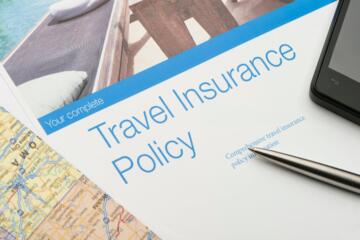
Another frequent mistake involves insurance. People buy a policy, save the confirmation email somewhere, and never read the emergency assistance section. Then, during a crisis, they cannot find the hotline number.
Skip assumptions first. Different countries handle healthcare in very different ways.
In Japan, many clinics expect payment upfront. In the United States, emergency treatment can generate bills that continue arriving weeks later. In parts of Southeast Asia, private hospitals often request financial guarantees before admission.
Language barriers add another layer. A traveler trying to describe chest pain, medication allergies, and prior surgery history in a foreign language can easily miss details that affect treatment.
The costs can escalate quickly. A simple fracture may require X-rays, orthopedic consultation, medication, follow-up visits, and transportation changes that multiply the total expense.
Smart Response Steps
Assess the urgency first
Call emergency services immediately for chest pain, severe bleeding, stroke symptoms, major head trauma, breathing difficulties, or loss of consciousness. Waiting 30 minutes to "see how it goes" can change the outcome dramatically.
Many countries use different emergency numbers. Europe uses 112 across much of the region. The United States and Canada use 911. Before any trip, save local emergency numbers offline.
Small preparation pays off.
Contact your insurer early
Call your travel insurer before visiting a hospital when possible. Companies such as Allianz Travel, World Nomads, AXA, and Generali often maintain assistance centers that operate 24 hours a day.
The assistance team may direct you to approved facilities, arrange guarantees of payment, or coordinate transfers. That single phone call can prevent hours of paperwork later.
Use the hotline first. The insurer already knows which clinics work smoothly with their claims process.
Keep policy numbers stored in at least two places, including an offline copy on your phone.
Choose the right facility
Not every medical problem requires a hospital emergency department. A minor ear infection may be treated faster at a local urgent care clinic.
Many large cities have international clinics serving travelers and expatriates. Staff often speak English and handle insurance documentation daily. In Singapore, Dubai, and many European capitals, these facilities can reduce communication problems considerably.
Read recent reviews, but not endlessly. A patient with a broken wrist gains little from comparing 40 clinics while sitting in pain.
Document everything
Take photographs of prescriptions, receipts, invoices, discharge summaries, test results, and referral letters. Store copies in cloud storage and on your device.
Some insurers reject incomplete claims. Missing paperwork creates delays that can stretch for weeks.
In April 2025, I helped a traveler recover reimbursement for treatment in Spain because she had photographed every receipt, including a €17 pharmacy purchase that most people would have lost.
Details matter later.
Manage medication safely
If you take prescription medication, carry enough for the trip plus at least 7 extra days. Flight disruptions, weather events, and canceled connections happen more often than travelers expect.
Carry medications in original packaging. Customs officers and healthcare workers can identify them more easily.
If replacement medication becomes necessary, ask for both the generic drug name and the local equivalent. Brand names vary widely across countries.
Translation apps help, although, frankly, they sometimes struggle with medical terminology.
Handle payment issues wisely
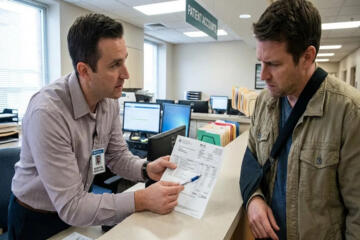
Large hospitals may request deposits ranging from several hundred dollars to several thousand. Credit cards often become the fastest solution.
Keep one payment method reserved for emergencies. Travelers who max out cards on hotels, tours, and shopping occasionally face awkward situations at admission desks.
Save billing records, and the claims process becomes much easier. Hospitals rarely recreate missing paperwork months later.
If a facility asks you to sign documents you cannot read, request an English version or translation support before proceeding.
Prepare for evacuation cases
Medical evacuation becomes relevant when local facilities cannot deliver the required level of care. Air ambulance transport can exceed $100,000 on some international routes.
This is where insurance policy details become very relevant. Some plans cover evacuation to the nearest suitable hospital. Others cover transportation back to your home country.
A traveler injured on a remote island may require boat transport, helicopter transfer, then fixed-wing medical transport. The logistics become complex quickly...
Review evacuation coverage before departure, not from a hospital bed.
Use digital health tools
Telemedicine services can solve smaller problems without a hospital visit. Several insurers include virtual consultations in their plans.
Apps from providers such as Air Doctor connect travelers with local physicians in many countries. Translation tools, secure document storage, and digital prescription records also help.
I still keep a PDF medical summary created in version 2.4 of a travel document app from years ago. The format looks dated, but doctors can read it instantly.
Technology helps, within limits.
Real-World Examples
A software consultant visiting Thailand developed severe abdominal pain during a 10-day assignment. Instead of waiting until his return flight, he contacted his insurer within 20 minutes of symptom escalation.
The assistance center referred him to a private hospital in Bangkok. Doctors diagnosed appendicitis and performed surgery the same day. Total medical costs reached roughly $14,000. Direct billing handled most charges, and he paid only small incidental expenses out of pocket.
Another case involved a family skiing in Austria. A teenager suffered a fractured leg after a fall. The parents photographed every receipt, medical note, transportation invoice, and pharmacy purchase.
The claim package contained more than 25 documents. Reimbursement arrived within weeks because the paperwork was complete. Missing records would have delayed the process, which, frankly, happens quite often.
Action Checklist
| Step | Action | Why | Time |
|---|---|---|---|
| Check | Assess risk | Fast triage | 5 min |
| Call | Insurer | Care path | 10 min |
| Visit | Clinic | Treatment | Same day |
| Save | Records | Claim help | Ongoing |
| Track | Recovery | Follow-up | Days |
Avoidable Errors
Many travelers skip reading policy exclusions. Then they discover adventure sports, rental scooters, or pre-existing conditions fall outside coverage.
Another mistake involves relying solely on public Wi-Fi for access to medical documents. Download copies before departure.
Don't hide symptoms. Doctors make better decisions when they know the full story.
Some travelers decline treatment because they fear the bill. Delayed care often costs more than prompt care, both medically and financially.
Carrying no backup medication supply creates another preventable problem. Even a 48-hour travel disruption can leave someone without treatment.
And then there are travelers who keep every receipt except the largest one...
FAQ
Will my regular health insurance work overseas?
Some plans offer limited international coverage, while others offer none. Contact your insurer before travel and request written confirmation of overseas benefits.
Should I go to a hospital or a clinic?
For severe symptoms, trauma, breathing problems, or suspected heart issues, go to a hospital immediately. Minor illnesses often fit urgent care clinics or travel medicine centers.
What if I do not speak the local language?
Ask your insurer for referral support, use translation tools, and request written diagnoses. International clinics frequently have multilingual staff.
Do I need travel insurance for short trips?
Even a weekend trip can involve costly medical treatment. A fracture, appendicitis, or emergency evacuation does not care how long your itinerary lasts.
What documents should I save?
Keep invoices, prescriptions, physician notes, discharge records, test results, transportation receipts, and insurer correspondence. Digital copies add another layer of protection.
Author's Insight
Over the years, I have reviewed dozens of travel medical cases and helped travelers organize insurance claims after treatment abroad. The pattern repeats: people who contact their insurer early usually face fewer complications. I also recommend carrying a one-page medical summary with allergies, medications, emergency contacts, and health history. It takes about 15 minutes to create and can save far more time when every minute counts.
Summary
Getting sick or injured abroad becomes far more manageable when you act quickly, contact your insurer early, choose the right medical facility, and document every expense. Save emergency numbers before departure, carry extra medication, and understand your coverage limits. Skip guesswork. Clear records, fast decisions, and informed communication often make the difference between a temporary disruption and a costly travel crisis.