Flood vs Storm Payouts
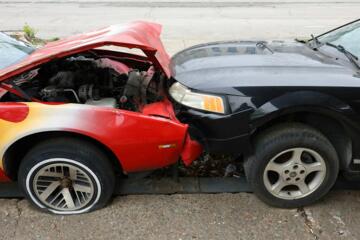
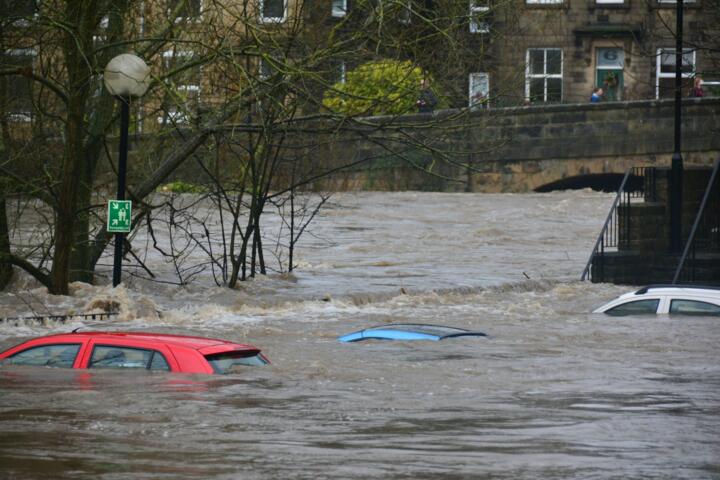
Flood and storm damages to vehicles differ fundamentally, impacting how insurance companies process claims and payouts. Flood damage usually occurs when water inundates a car's electrical systems and mechanical parts, often rendering it a total loss. Storm damage, meanwhile, typically involves impact-related issues such as hail dents, broken windows, and debris scratches.
For example, flood damage to a 2019 Toyota Camry can cause engine failure, while storm damage might replace a shattered windshield or repair dented panels. According to the National Flood Insurance Program, flood damage accounted for over $3.5 billion in insured losses nationwide in 2022. Conversely, the Insurance Information Institute reports that storm-related car insurance claims amounted to approximately $9 billion the same year.
Main Payout Problems
Lack of Clarity in Coverage
Many car owners confuse standard auto insurance policies with comprehensive coverage requirements for flood and storm damages. Flood damage is frequently excluded from basic auto insurance unless specific comprehensive policies are in place. This misunderstanding leads to denied claims and out-of-pocket expenses.
Underestimating Damage Severity
Flood damage is often hidden and develops over time, causing electrical corrosion or mold growth, which leads to escalating repair costs. Insurers may undervalue claims if vehicle owners submit insufficient evidence, further frustrating the payout process.
Delay in Claims Processing
Storm damage claims usually involve assessments of physical damage, which insurance companies can visually verify quickly. Flood claims need detailed inspections by certified adjusters to confirm water ingress levels and internal damage, often delaying settlements and amplifying vehicle downtime.
Case Example
A vehicle owner in Houston suffered flood damage during Hurricane Harvey in 2017 but held only liability insurance. The claim was denied, forcing a total write-off at the owner’s expense. This illustrates the systemic problem of underinsurance in flood-prone regions.
Coverage Solutions
1. Purchase Comprehensive Auto Insurance
Ensure your auto policy includes comprehensive coverage, which typically protects against flood and storm damage. Companies like Geico, Progressive, and State Farm offer tailored packages that cover these perils. For example, State Farm’s comprehensive add-on covers flood damage explicitly, offering payouts based on Actual Cash Value (ACV) minus depreciation.
2. Invest in Flood Insurance Separately in Risk Zones
Standard car insurance often excludes flood damage, especially in high-risk flood zones. The National Flood Insurance Program (NFIP) provides specialized policies that cover vehicle replacement in flood events. Vehicle owners in flood-prone areas should pair their auto policy with NFIP flood insurance or private flood insurers like Floodsmart.
3. Document Damage Thoroughly
After storm or flood incidents, promptly photograph all visible damages, including interior areas for flood effects. Use apps like Claims Connect or MyGarage by Allstate to streamline documentation and submissions. Detailed proof reduces disputes and expedites claim approvals. According to a study by J.D. Power, well-documented claims are settled up to 25% faster.
4. Seek Professional Damage Assessment
Hire certified auto repair experts or independent adjusters specializing in flood damage such as ASE-certified technicians. Their detailed inspections can identify hidden issues insurers might overlook, ensuring comprehensive compensation.
5. Understand Depreciation and Total Loss Thresholds
Insurance companies calculate payouts considering vehicle depreciation and the cost of repairs versus market value. For instance, if repairs exceed 70-80% of the car’s value, insurers typically declare it a total loss, issuing a payout instead of repairs. Knowledge of your policy’s threshold helps in negotiating claims.
Real-World Case Studies
Case 1: State Farm and Flood Damage Claim
Client: Jane Doe, New Orleans
Problem: Her 2018 Honda CR-V was extensively damaged in a flood after a tropical storm in 2023. Jane held comprehensive coverage through State Farm but not NFIP flood insurance.
What Was Done: Jane promptly filed a claim, backed by detailed photographic evidence and an independent adjuster’s report.
Result: State Farm agreed to replace the vehicle at ACV of $21,000, less deductible. Had Jane lacked comprehensive coverage, she would receive no payout. This highlights the critical importance of coverage types.
Case 2: Progressive Storm Damage Repair
Client: Mike Rogers, Dallas
Problem: Mike’s 2020 Ford Mustang sustained hail and window damage during a severe storm in early 2024.
What Was Done: Using Progressive’s Fast Track claims app and certified repair shops, Mike’s claim was settled within 10 days.
Result: All repairs – including windshield replacement and dent removal – were covered under his comprehensive insurance, costing Progressive $3,600 but restoring Mike’s vehicle quickly.
Comparison Table
| Aspect | Flood Damage | Storm Damage |
|---|---|---|
| Typical Coverage | Comprehensive + NFIP | Comprehensive auto policy |
| Processing Time | 2-4 weeks (inspection) | 1-2 weeks (visible) |
| Common Repairs | Engine, electrical, mold | Glass, dents, scratches |
| Payout Basis | ACV minus depreciation | ACV minus depreciation |
| Denial Risks | No flood policy / Lack of proof | Insufficient cause proof |
Common Mistakes
Assuming Basic Auto Insurance Covers Flood
Many drivers wrongly believe collision or liability policies cover flood damage. Always verify your policy details and add comprehensive coverage if missing.
Delaying Damage Reporting
Post-incident delays can cause evidence loss and slow claims. Report damage within 24-48 hours of the event.
Ignoring Vehicle Maintenance
Flood damage worsens if ignored, especially electrical issues. Routine inspections post-flood can improve claims outcomes.
Not Using Certified Repair Shops
Insurance companies prioritize repairs by authorized repairers. Choose recognized centers to avoid claim disputes.
Failing to Use Available Tech Tools
Skipping claim management apps reduces claim tracking efficiency. Leverage insurer-specific apps for quicker settlements.
FAQ
Does my standard car insurance cover flood damage?
Most standard auto insurance policies exclude flood damage. Comprehensive coverage or separate flood insurance is necessary to cover such losses.
How can I prove my vehicle has storm damage for a claim?
Take multiple photos immediately after the storm, document dates, and obtain a repair estimate or inspection report.
What is the average payout time for flood versus storm damage claims?
Storm damage claims typically settle within 1-2 weeks, while flood damage claims may take 2-4 weeks due to detailed inspections.
Does flood damage always total my car?
Flood damage often leads to total loss due to extensive repairs exceeding vehicle value, but repairable cases depend on damage severity.
Can flood or storm damage affect car resale value?
Yes, both types of damage can reduce resale value, often by 20-40%, especially if repairs are not properly documented.
Author's Insight
Having worked in auto insurance claims for over a decade, I've observed countless misunderstandings around flood and storm damage payouts. Many vehicle owners underestimate how critical comprehensive coverage is—skimping on it often results in denial of crucial claims. Thorough documentation and prompt reporting can dramatically speed up settlements and improve payout amounts. My advice: if you're in flood-prone areas, securing NFIP or private flood insurance alongside comprehensive auto coverage is non-negotiable. These small precautions translate into thousands saved and less stress after disasters.
Summary
Flood and storm damage insurance payouts vary significantly and hinge on coverage specifics, documentation, and claim management. Vehicle owners should prioritize comprehensive insurance, document damages immediately, and seek professional inspections. Combining these steps with knowledge of insurance thresholds and proactive claim filing optimizes financial recovery after natural disasters. Understanding these distinctions shields your investment and ensures smoother claim experiences.