Water Damage Reality
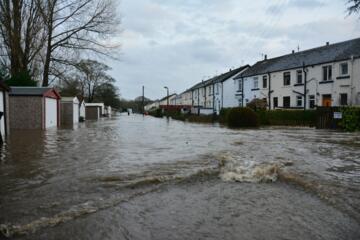
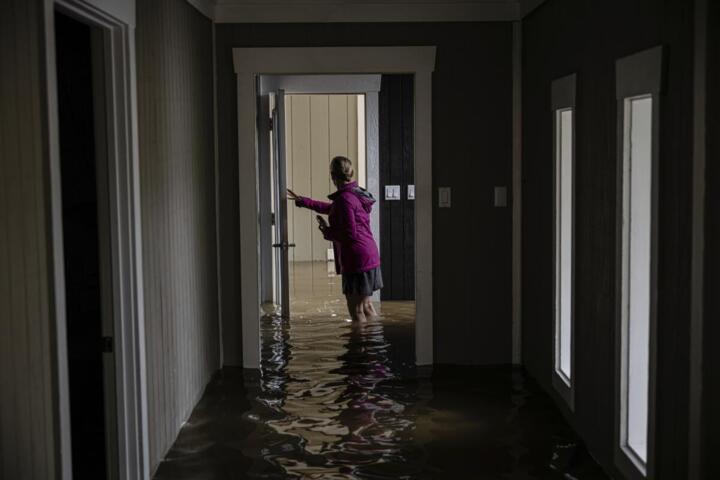
Water damage is the second most common homeowner insurance claim in the United States, following wind and hail. While a fire is catastrophic and visible, water is insidious, seeping into structural components like sill plates and insulation where it remains hidden long after the surface feels dry. According to the Insurance Information Institute (III), the average water damage claim payout sits around $12,500, but complex cases involving sub-floor intrusion or black water (Category 3) can easily exceed $50,000.
In practice, a "flooded house" isn't just about wet carpets. For instance, in a recent case in Houston, a burst PEX pipe behind a master shower ran for six hours. The homeowner dried the floor but ignored the wicking effect in the drywall. Within 72 hours, Aspergillus mold had colonized the wall cavity, turning a $3,000 plumbing repair into a $22,000 mold remediation project. Understanding the physics of moisture—how it moves through porous materials—is the foundation of a successful insurance outcome.
Critical Filing Errors
The most expensive mistake homeowners make is "cleaning up" before documenting. While your instinct is to grab a mop, your insurance adjuster requires "proof of loss" in its raw state. Removing damaged items or starting repairs before an inspection can be interpreted as a breach of the "Duties After Loss" clause in your ISO standard HO-3 policy. This often results in the carrier refusing to pay for "disposed evidence," even if you have a blurry photo of the ruined rug.
Another pain point is the failure to distinguish between "Sewer Backup" and "Flood." Standard policies do not cover rising groundwater or surface water flooding; that requires a separate NFIP (National Flood Insurance Program) policy. If you report your claim using the wrong terminology—calling a heavy rain overflow a "backup"—you may inadvertently trigger a denial. Precise language is not just pedantic; it is the difference between a check and a $0 explanation of benefits.
Professional Recovery
Implementing Immediate Mitigation
The moment water is discovered, you must stop the source, but you must also "mitigate" to prevent secondary damage. Use a moisture meter like the FLIR MR176 to identify thermal signatures of water behind walls. Insurance companies like State Farm or Liberty Mutual expect you to act as a "reasonable person" would to protect the property. This includes extracting standing water immediately using professional-grade sub-surface extractors, not just shop-vacs.
Mastering Digital Documentation
Use a specialized app like Encircle or CompanyCam to create a digital trail. Don't just take photos; take "360-degree" videos of every room, including the ceiling of the floor below the leak. Document the make and model numbers of all affected appliances and electronics. If you have a Samsung bespoke refrigerator damaged by a leak, the adjuster needs the specific serial number to provide an RCV (Replacement Cost Value) rather than a generic "used fridge" estimate.
Navigating the ACV vs. RCV Gap
Most people don't realize their policy might have a "Actual Cash Value" (ACV) depreciation on items like flooring. If your 10-year-old hardwood is ruined, an ACV policy only pays what 10-year-old wood is worth—which is very little. You must advocate for RCV (Replacement Cost Value). If your contractor's quote is $15,000 but the adjuster offers $9,000, the discrepancy usually lies in "Line Item" pricing found in software like Xactimate. Demand to see the itemized breakdown.
Managing Mold and Biohazards
If the water came from a toilet or a storm, it is Category 3 (Black Water). You cannot simply "dry" this. Everything porous—drywall, insulation, carpet padding—must be removed. Brands like Microban or Benefect are industry standards for antimicrobial treatment. If your adjuster suggests "cleaning" a Category 3 carpet, they are violating IICRC S500 standards. Cite these standards to force a full replacement.
Engaging Public Adjusters
If the claim exceeds $25,000, consider hiring a Public Adjuster (PA) from a firm like Greenspan Co. or Adjusters International. Unlike the insurance company's adjuster, a PA works for you. They typically charge a 10-15% fee of the final settlement but often increase the total payout by 30-70% by identifying overlooked structural damage, such as "bridging" in electrical circuits or compromised vapor barriers.
Temporary Housing Benefits
Check your "Additional Living Expenses" (ALE) coverage. If your kitchen is gutted, your house is technically uninhabitable. ALE covers hotel stays and the "incremental" cost of food. If you normally spend $400 a month on groceries but now spend $1,000 eating out, the insurance owes you $600. Keep every receipt in a dedicated folder or use an app like Expensify to track these costs for reimbursement.
Restoration Case Studies
A family in Florida experienced a dishwasher supply line failure while on vacation. Total water volume: approximately 2,000 gallons. The initial insurance offer from a major carrier was $14,200, covering only the kitchen floor. After hiring an IICRC-certified consultant, it was discovered that water had wicked up the cabinetry and into the pantry walls. By presenting thermal imaging and moisture mapping, the claim was revised to $38,500, covering full cabinet replacement and wall remediation.
In another instance, a rental property owner in Chicago faced a sewage backup. The owner tried to DIY the cleanup with bleach. Two weeks later, the tenant reported respiratory issues. Professional testing showed high levels of Stachybotrys. Because the owner failed to use a professional remediation service like Servpro or ServiceMaster initially, the insurance denied the secondary mold claim, citing "negligence in mitigation." The owner paid $12,000 out of pocket. Early professional intervention is a financial shield.
24-Hour Recovery Checklist
| Action Item | Required Tool/Service | Why It Matters |
|---|---|---|
| Source Stop | Main Shut-off Valve | Prevents further "avoidable" damage. |
| Photo Inventory | Smartphone / Cloud Storage | Evidence before any item is moved or tossed. |
| Professional Drying | Industrial Dehumidifiers (LGR) | Prevents mold growth within 24-48 hours. |
| Claim Filing | Insurance Hotline | Establishes the "Date of Loss" immediately. |
| Structural Check | Moisture Meter | Finds water hidden behind baseboards/studs. |
Avoiding Pitfalls
Never sign a "Direction to Pay" form from a contractor unless you trust them implicitly. This form allows the insurance company to send the check directly to the contractor, stripping you of your leverage if the work is subpar. Always keep the funds in your control and pay in milestones: 30% start, 30% mid-way, and 40% upon passing a final "clearance" moisture test.
Don't accept the first "lowball" estimate as final. Insurance adjusters often use "average" pricing for materials, but if you have high-end finishes like Carrara marble or custom walnut trim, those "averages" won't cover your costs. Provide original receipts or "comparable" local quotes from high-end vendors to justify a higher "Unit Cost" in the Xactimate estimate.
FAQ
Does insurance cover mold after a flood?
Standard policies often have a "Mold Limitation" cap (e.g., $5,000). However, if the mold is a direct result of a "covered peril" (like a burst pipe) and you mitigated correctly, you can often fight for higher limits. It is rarely covered for "slow leaks" occurring over months.
Can I do the cleanup work myself?
You can, but you shouldn't for the structural drying phase. Without industrial-grade air movers and dehumidifiers, you cannot reach the "Dry Standard." If you DIY and mold appears later, the insurance company will likely deny any supplemental claims due to improper mitigation.
What is the difference between flood and water damage?
Water damage comes from "top-down" or internal sources (pipes, roof, appliances). Flood is "bottom-up" (rising rivers, heavy rain on saturated ground). They are covered by entirely different policies. Mislabeling the source can lead to an instant denial.
Should I throw away ruined furniture?
Not until the adjuster sees it. If it’s a health hazard, move it to the garage or backyard and take 10+ photos of it first. Keep a small "sample" of expensive items like custom upholstery or high-end carpet to prove the quality to the adjuster.
How long does the claim process take?
A typical water claim takes 30 to 90 days to fully resolve. You will receive an initial "undisputed" payment quickly, but the "supplemental" payments for hidden damage found during demolition take longer to negotiate.
Author’s Insight
In my years of consulting on property loss, I’ve seen that the most successful claimants are the ones who treat their loss like a business project. I always tell my clients: "The insurance company is not your friend; they are a counter-party in a financial transaction." My best advice is to never rely on the adjuster’s tape measure. Buy your own laser measure, take your own square footage readings, and double-check their math. A 10% error in room dimensions across a whole house can cost you $5,000 in flooring and paint allowances.
Summary
Managing a flooded home requires a balance of immediate physical action and meticulous administrative rigor. By focusing on professional moisture detection, avoiding the premature disposal of evidence, and understanding the nuances of policy language, you can ensure your home is restored to its pre-loss condition without absorbing the financial burden. Start by documenting everything, hire certified mitigation professionals, and don't be afraid to challenge an estimate that doesn't reflect the true cost of quality materials. Taking these steps now protects your largest investment for the future.