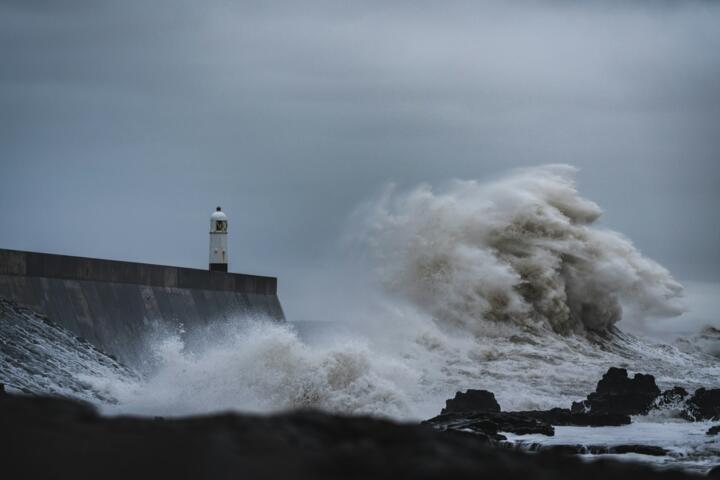
Storm Insurance Prep
Storm season in the US spans from June to November, with over 10,000 severe weather events annually, according to NOAA data. That means countless properties are at risk of damage from wind, rain, hail, flooding, or tornadoes. Understanding which insurance policies cover what types of storm damage requires a clear, practical approach. For example, many homeowners assume their property insurance covers flood damage, but it does not.
Some risks affect commercial properties differently. Consider a coastal business near the Atlantic, facing high hurricane threat, versus a midwestern office that sees more tornadoes. Knowing specific exposures must guide policy review. You should start with a thorough checklist of your current insurance portfolio before the first storm arrives.
This includes looking at property insurance, flood insurance policies, and even vehicle coverage. A study of disaster claims shows around 40% of storm-related losses involve water damage, which typical home policies exclude.
Common Risks & Mistakes
Homeowners often overestimate their coverage limits or confuse exclusions. For example, standard homeowners insurance includes wind damage but often excludes flooding. Flood insurance is distinct and usually requires separate purchase through FEMA's National Flood Insurance Program or private insurers. This creates unexpected gaps.
Another typical error lies in underestimating deductible impact. Windstorm deductibles can be a percentage of the policy limit, sometimes 2% to 5%, which can mean thousands in out-of-pocket costs. Low limits on detached structures, landscaping, or personal property can catch people off-guard too.
Businesses carry additional risk with inventory and business interruption losses which many policies handle differently under storm conditions. Many claims face delays or denials due to paperwork or unclear policy language.
Policy Recommendations
Check Wind and Hail Coverage
Wind damage is common in storms, so confirm your homeowners and commercial property policies explicitly cover this. Check for separate deductibles—especially in hurricane-prone states where wind deductibles run as high as 5%. For instance, a $300,000 policy with a 5% deductible means a $15,000 deductible for storm damage.
Contact your insurer well before storm season to confirm these details, and review historical claim data on your property type with a local insurance agent.
Secure Flood Insurance
Flood damage sits outside most standard policies. The NFIP backs many flood policies but enforces a 30-day waiting period after purchase, so act early. Private flood insurance may offer higher limits or better pricing but requires comparison. Coverage often includes structural damage and contents, but watch limits on certain valuables.
Expect to pay premiums from a few hundred to several thousand dollars annually, depending on your elevation, flood zone, and building characteristics.
Review Personal Property Limits
Property insurance often caps coverage on electronics, jewelry, or collectibles, typically at $1,500 to $5,000. You may need riders or scheduled personal property endorsements for full protection.
Inventory items subject to damage from wind-driven rain may fall under content coverage but confirm with your insurer. Documentation like photos or receipts makes claims faster.
Validate Business Interruption Insurance
Businesses should confirm business interruption policies cover storm closures, including lost revenue and extra expenses. Look at the waiting period before compensation starts—some policies wait 72 hours. Carefully check if utilities or supply chain disruptions apply.
Regularly update revenue figures and maintain detailed financial records to support claims.
Examine Vehicle and Equipment Coverage
Storms often damage vehicles, especially trucks and machinery stored outside. Auto insurance considerations include comprehensives for hail, flood, or wind damage. Equipment policies on farms or constructions sites need coverage that accounts for storm-related breakdown or loss.
Rental reimbursement or replacement cost provisions can make a difference in recovery time.
Confirm Mitigation Discounts
Many insurers offer premium discounts or lower deductibles for storm mitigation features. Examples include impact-resistant windows, reinforced roofs, garage door bracing, or flood barriers. Verify that these upgrades are noted in your policy, potentially saving hundreds annually.
It takes just one call to your provider or agent, though these savings often slip through because the insured do not push for verification.
Understand Exclusions Thoroughly
Every policy lists exclusions. Typical storm-related exclusions include sewer backup (unless endorsed), gradual water damage, or mold after floods. Reading your declarations page or the 2024 ISO Homeowners Form 3 (HO-3) helps recognize these gaps.
Request an annual policy review meeting with your agent to walk through these clauses.
Prepare for Claims Process
Your readiness affects recovery speed. Maintain contact details for your insurer, photographic records of property condition, and an inventory list. Consider apps like SimpliClaim for faster submissions. Learn your insurer’s storm season surge plan to anticipate delays.
Promptly file claims to comply with policy timelines, often within 30 days post-event.
Insurance in Action
Case 1: A Florida homeowner had a $250,000 wind and hail policy but no flood insurance. After a 2022 hurricane, wind damage was covered quickly, but flood-related basement damage remained an expense of over $20,000. They installed flood sensors afterward and purchased NFIP coverage for 2024.
Case 2: A commercial farm in Texas faced a hailstorm wiping out equipment valued at $500,000. Their equipment insurer denied part of the claim citing missing maintenance records. After investing in digital maintenance software and renegotiating terms, their next storm claim was paid within 10 days, covering 90% of losses.
Coverage Checklist
| Coverage | Include? | Deductibles & Limits |
|---|---|---|
| Wind/Hail | Yes | % or $ deductible. Check state rules. |
| Flood | Separate | Fixed $ deductible. NFIP or private. |
| Personal Property | Yes | $ cap. Consider scheduled items/rider. |
| Business Interruption | Yes | Waiting period applies. Review exclusions. |
| Auto/Equipment | Comprehensive | Deductible varies. Include rental coverage. |
| Mitigation Discounts | Ask | N/A. Document improvements. |
Errors to Avoid
Ignoring flood insurance because your home is “low risk” is shortsighted; flood zones change with new maps every 5-10 years. Lack of updated inventory or photo evidence delays claims. Assuming your insurer will cover all water damage ends badly when sewer backups occur—without a rider, that’s out-of-pocket.
Failing to review deductibles means a surprise expense during claim time. Also, relying solely on policies bought years ago ignores current weather trends and code requirements. Re-check your windstorm deductibles, especially if the insurer updated your policy quietly last renewal.
Not registering mitigation upgrades, like a new storm shutter system installed in 2023, loses money in premium discounts. Lastly, skipping the claims pre-plan—who to call, how, when—adds stress during an emergency response phase.
FAQ
Does homeowners insurance cover flood damage?
No, typical homeowners insurance excludes flood damage. You need separate flood insurance through NFIP or private insurers.
What is a hurricane deductible?
A hurricane deductible is a specific amount or percentage you'll pay on windstorm damage claims arising from hurricanes, usually higher than standard deductibles.
How soon should I buy flood insurance?
Purchase flood insurance at least 30 days before storm season or anticipated storms to avoid the standard waiting period.
Can I add coverage for valuables like jewelry?
Yes, you can add scheduled personal property endorsements or riders to extend coverage limits for valuables above standard caps.
What documents help with storm claims?
Keep photos, receipts, maintenance records, and detailed inventories of your property both before and after storms.
Author's Insight
Years managing storm claims taught me that many losses stem from paperwork gaps, not storm severity. I advise clients to update their inventories every fall with a simple smartphone app like Evernote or Apple Notes version 14.2, ensuring fast claims. Also, I’ve seen insurers grudgingly acknowledge mitigation discounts—persistence pays here. Finally, your storm preparation extends far into your policy review, not just boarding windows or cleanup.
Summary
Storm season demands a clear review of your insurance portfolio focusing on wind, flood, property, and business interruption policies. Early action—like purchasing flood insurance, confirming deductibles, and documenting assets—avoids costly surprises. Contact your insurer, document thoroughly, and use mitigation incentives to lower premiums. Remember, preparation means money saved when storms hit hard.