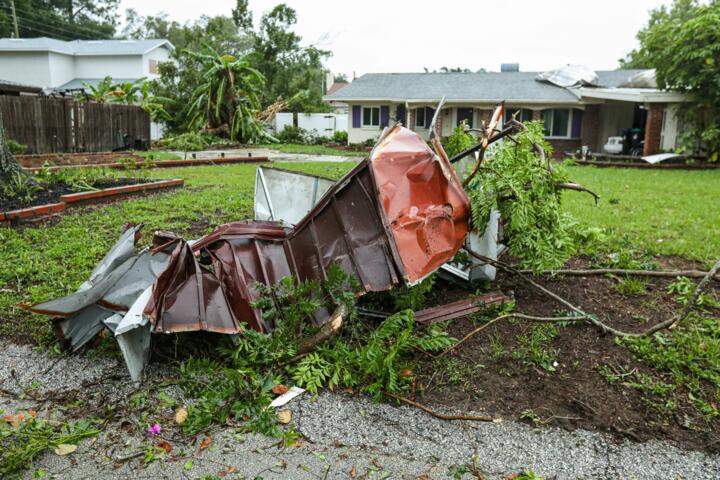
Most of the Delay Is Structural
The assumption behind most advice on this subject is that delay is a tactic. Sometimes it is. Far more often, after a regional catastrophe, it is the predictable output of a system doing something it is not built to do at that volume, and treating it as bad faith leads people to spend energy in the wrong place.
Understanding the actual mechanics tells you which parts you can influence and which you cannot, and there is more in the first category than people expect — just not where they usually look.
The Adjuster Workforce Is Temporary
Insurers do not employ enough adjusters to handle a catastrophe, because for most of the year they would have nothing to do. When a major event occurs, they deploy catastrophe adjusters: independent contractors who travel to the affected region and work large volumes of claims for a few weeks or months.
States accommodate this by issuing emergency or temporary adjuster licences after a declaration, which is why the workforce can arrive quickly. It also means several things that affect you directly.
- Your adjuster may change more than once. Deployments end, and files are reassigned. Each handover costs time and, frequently, context.
- They are carrying far more files than usual, so responsiveness is a function of queue position rather than of attitude.
- They may not be local, which matters for judgements about regional construction costs and typical building practice.
The practical response is to make your file the easiest one in their queue to finish, and to keep a written record that survives a reassignment. A new adjuster picking up an organised file with a numbered inventory and a dated communication log moves faster than one inheriting a folder of emails.
The Chain Is Sequential
Each step waits for the one before it, and every handover is a queue rather than a task.
- Claim reported and assigned.
- Inspection scheduled and carried out.
- Estimate written.
- Estimate reviewed internally, and sometimes re-reviewed above a threshold.
- Payment issued.
- Supplement or re-inspection where the scope changes, which restarts several of the steps above.
Two things follow. Anything that sends the file backwards — incomplete documentation, a missing proof of loss, an unanswered request — costs a full cycle rather than a day. And a supplemental claim discovered mid-repair re-enters the queue at the back, which is why identifying the full scope before the estimate is finalised matters more than any amount of chasing afterwards.
The Delay Nobody Warns You About: Your Mortgage Company
This is the single most common reason a settled claim produces no money, and it has nothing to do with the insurer.
On a financed property, a large claim cheque is typically made payable to both you and your lender. The lender has an interest in the property being restored, so it does not simply endorse the cheque over. Instead it places the funds in an escrow account and releases them in stages, usually against inspections confirming that work has been completed.
What that means in practice:
- You endorse the cheque and send it to the lender's loss draft department, which has its own processing time.
- Funds are released in draws — commonly an initial portion, then further releases at inspection milestones.
- Each inspection is scheduled by the lender's vendor, not by you or your contractor.
- Contractors accustomed to being paid on completion may need to be paid on a schedule the lender sets, which some will not accept.
Three things to do early. Call the lender's loss draft department in the first week and ask for their process in writing, including thresholds below which they will not escrow at all. Tell your contractor before signing that payments will follow a draw schedule. And send everything by a method that produces a receipt, since these departments are large and files do go quiet.
Money Is Not the Same as Repairs
Even a fast settlement does not produce a fast rebuild after a regional event.
Contractors are booked out for months, materials are scarce, and permitting offices are handling a year of applications at once. Demand surge raises prices at the same time, which is a separate problem: an estimate written early in the response can be below what the work actually costs by the time anyone can start it.
That is a reason to raise costs with the insurer as a supplement rather than absorbing the difference, and to keep the file open rather than closing it — the mechanics of disputing an amount are in handling a denied or underpaid claim.
What You Actually Control
Four things, in order of how much time they save.
Completeness at the first submission. The most common cause of a file cycling is missing information. Photographs of every affected area, a numbered contents inventory, contractor estimates, receipts for emergency mitigation and a clear statement of the date and cause of loss. The standard is set out in claim documentation protocols and proving value on a claim.
One written channel. Email or the insurer's portal, with a dated log of every call including names. This is what survives a reassignment and what supports a regulator complaint later.
Meeting the deadlines that bind you. The proof of loss window runs from the insurer's request, commonly sixty days, and missing it hands over a defence to the whole claim. The suit limitation clause in your policy runs regardless of any negotiation. Both are covered in your rights during a major insurance emergency.
Asking for advances. Insurers can pay against contents and against additional living expenses long before settlement, and generally do so on request rather than unprompted. After a declared disaster, several states require a portion of the contents limit to be advanced without an itemised inventory. This does not speed the claim; it removes the reason the delay hurts.
When It Stops Being Structural
Delay becomes a regulatory matter, not a patience matter, when specific things happen.
States set clocks: for acknowledging a claim, for beginning an investigation, and for accepting or denying once a complete proof of loss has been received. Many also require interest on payments made late. Where a deadline has passed, or where requests go unanswered for weeks, or where the same information is requested repeatedly, a complaint to your state insurance department is free and requires the insurer to justify itself in writing to a regulator.
Regulators also publish disaster bulletins within days of a declaration, which sometimes extend deadlines and sometimes impose additional handling requirements. Checking your state's bulletins is worth ten minutes.
A Realistic Timeline
Useful mainly for calibrating expectations, since a mismatch between expected and actual timing is what turns a slow claim into a distressing one.
In an ordinary period, a straightforward property claim runs from report to first payment in a few weeks. After a regional catastrophe, the inspection alone can take that long, and the full sequence through to a final payment on a substantial rebuild is measured in months rather than weeks — before the rebuild itself begins, which is a separate timeline governed by contractor availability.
Three practical consequences. Ask for advances early, because the gap is long. Do not plan a return date around the settlement. And where the home is uninhabitable, watch the duration limit on your living expenses coverage, since it can expire before the rebuild finishes — the provision is explained in what that coverage pays, and the case for extending it in updating coverage before a disaster.
Questions People Ask
Should I hire a public adjuster to speed things up?
Speed is not usually what they deliver — another party in the chain can lengthen it. What they can deliver is a better documented and better scoped claim on a large or contested loss, which reduces the cycling that causes delay. On a straightforward claim with a competent contractor, the fee is unlikely to repay itself.
How often should I contact the adjuster?
Weekly, briefly, in writing, with a specific question rather than a status request. Daily contact does not move a queue and it consumes the time of the person you need.
Is my claim being deprioritised because it is small?
Triage after a catastrophe generally favours total losses and uninhabitable properties, which is a reasonable ordering even when you are on the wrong side of it. Documented habitability problems move a file up.
Does this apply to a fire rather than a regional disaster?
Partly. A single-property fire avoids the catastrophe queue, so adjuster availability is not the constraint. The lender escrow process, the sequential review chain and the contents inventory workload all still apply — see the hours after a fire.
Can I start repairs while waiting?
Emergency mitigation to prevent further damage is required by the policy and reimbursable — keep receipts. Permanent repairs before the scope is agreed can support an argument that the investigation was prejudiced.
What if the money is stuck at the bank rather than the insurer?
Contact the lender's loss draft department directly and ask for the release schedule and the inspection trigger for each draw. This is a different organisation with a different process, and chasing the insurer will not move it.
The Short Version
After a regional event the delay is mostly structural: a temporary catastrophe adjuster workforce carrying heavy caseloads, a sequential review chain where every handover is a queue, and reassignments that lose context.
Check the lender before blaming the insurer. On a financed home the cheque is co-payable, the funds sit in escrow and are released in draws against inspections, and that process is frequently where the money actually stops.
What you control is completeness at first submission, one written channel with a dated log, and meeting the two deadlines that bind you — the proof of loss window and the suit limitation clause.
Then ask for advances on contents and living expenses. It does not make the claim faster; it makes the wait survivable, which is the part that actually matters.
The Weekly Routine That Works
Not more contact — better structured contact.
Once a week, send one short email containing three things: what you are waiting for, what you have already supplied and when, and one specific question with a date by which you are asking for an answer. Copy nobody unless a supervisor has been assigned. Keep them in a single thread so the whole history travels with a reassigned file.
Log every call separately with the date, the name and what was said. That log is worthless until the moment it is not, and the moment it is not is a regulator complaint or an argument about who was told what — the wider approach to escalation is in handling a denied or underpaid claim.
Sources and Editorial Note
Statutory timeframes for acknowledging, investigating and deciding property claims, requirements for interest on late payment, emergency adjuster licensing after a declaration and disaster bulletins are set and published by each state insurance department, and vary substantially. Catastrophe claims handling, demand surge and adjuster deployment practice are described by the Insurance Information Institute. Federal disaster declarations, which trigger several of these provisions, are listed by FEMA.
Figures circulating for the percentage increase in claim volume after disasters, for how much faster claims close with particular tools or representatives, and for named insurers' internal processing times are not traceable to published research and have been omitted rather than repeated.
Mortgage loss draft procedures are set by each lender or servicer and are not regulated as insurance; thresholds, draw schedules and inspection requirements differ between them. This article is general information about insurance, not legal advice — confirm deadlines against your own policy, because the suit limitation clause is contractual and can be shorter than your state's general limitation period.